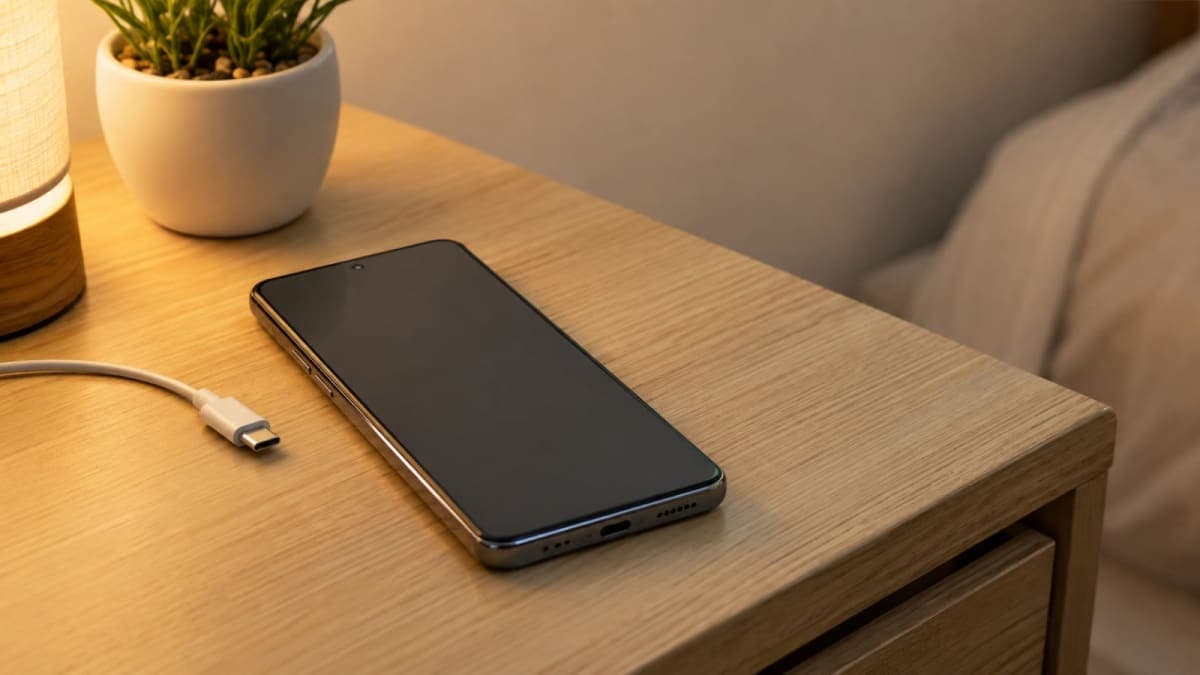
A low budget smartphone under 5000 is possible in India, but the choices are narrow and every model forces hard compromises. You will get basic daily tasks done calls, WhatsApp, light browsing, YouTube but do not expect smooth multitasking, strong cameras or multi-year software support. This is the range where plastic frames crack, charging ports loosen and batteries swell first.
Most true Android options sit right at the edge of the budget or just above it. Feature phones dominate the listings below ₹4,000. If your needs are only calling and SMS, those are often the smarter buy. For actual smartphone use, treat ₹5,000 as the absolute floor and check live prices carefully because they move weekly.
What You Actually Get Under ₹5000
Display sizes land around 6.5–6.8 inches with HD+ resolution. A few offer 90 Hz refresh rates; most stick to 60 Hz. Brightness is modest, so outdoor visibility suffers. Processors are entry-level Unisoc chips that handle WhatsApp, Facebook and light games but choke on heavier apps or multiple tabs.
RAM is usually 3 GB or 4 GB. Storage starts at 32 GB or 64 GB with microSD expansion. Cameras are 13 MP or 50 MP on paper; daylight shots are usable for social media, low-light results are soft and noisy. Batteries sit at 5,000 mAh with 10 W or 15 W charging. You get a full day of moderate use if you keep the brightness down.
Fingerprint sensors and face unlock appear on several models. Dual SIM and a 3.5 mm jack are still common. Software is often Android Go or a lightweight skin based on Android 14 or 15. Update promises are short, sometimes only one major OS update and limited security patches.

Key Things That Matter at This Price
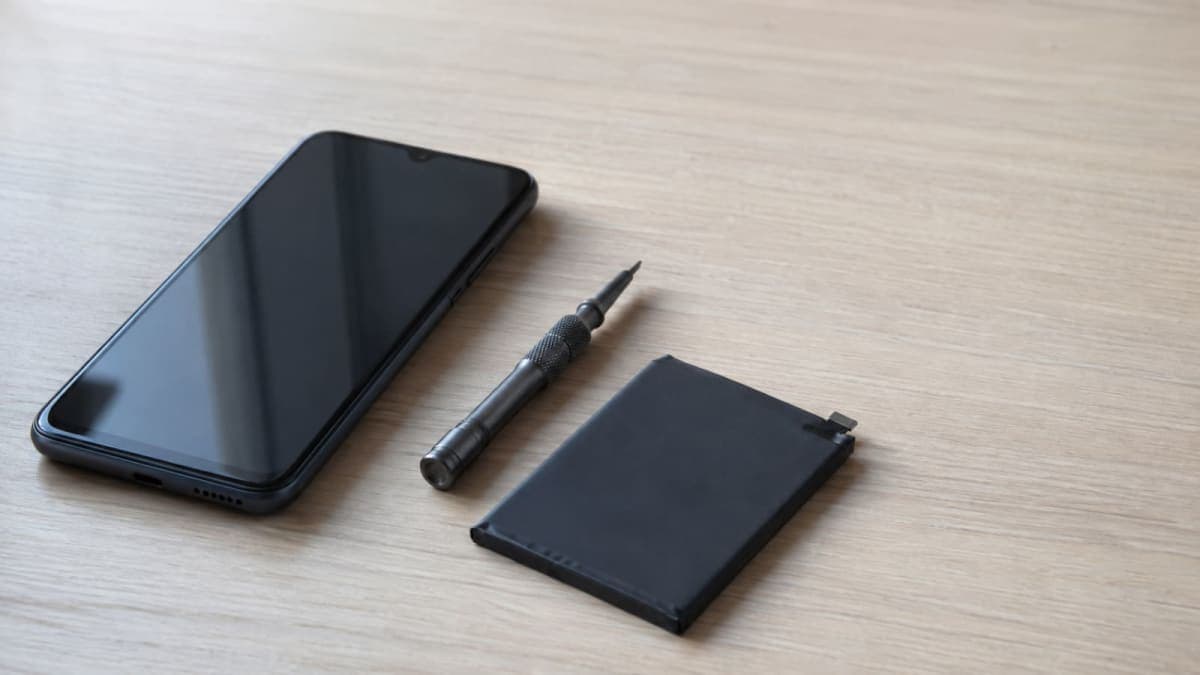
Battery. A 5,000 mAh cell is the baseline. It will last a day for light use. Replacement batteries cost little and are the most common fix we do on these phones. Avoid models that arrive without a charger in the box.
Build and ports. Plastic bodies flex. Charging ports wear out fast if you use cheap cables. Side-mounted fingerprint sensors are more reliable than rear ones in this segment because the back gets scuffed quickly.
Software. Clean skins feel better than heavily skinned ones. Look for at least one promised major update. After a year many of these phones start feeling slow even if the hardware has not failed.
Repair cost. Screens and motherboards often cost more than the phone is worth. Battery and charging-port jobs stay cheap. That is why we tell customers to treat these as 18–24 month devices rather than long-term keeps.
At this budget the phone that is easiest and cheapest to keep running for two years is usually the better buy than the one with the highest megapixel count.
Realistic Options Right Now
Exact availability changes fast. One model that has appeared near the ₹5,000 mark is the AI+ Pulse base variant (4 GB + 64 GB). It carries a Unisoc T615 processor, a 6.7-inch HD+ 90 Hz display, a 50 MP rear camera, 5 MP front camera, 5,000 mAh battery with 10 W charging, fingerprint sensor and Android 15-based software. Dual SIM and microSD support are present. ₹4,999
Lava has offered similar entry-level sets with 6.75-inch HD+ panels, Unisoc processors, 13 MP cameras and 5,000 mAh batteries. Some landed just over ₹5,000 at launch. Check live listings because bank offers and sales can bring them closer to the limit.
Poco and other larger brands have models that launch near ₹6,500 and later drop, but current street prices for recent C-series phones sit higher. Older realme or Infinix units sometimes surface under ₹5,000 on secondary markets; treat those as used stock and test battery health carefully.
What to prioritise | Why it matters | Typical reality under ₹5,000 |
|---|---|---|
Battery health | Most common failure point | 5,000 mAh, slow charging |
RAM and processor | Determines lag after six months | 3–4 GB, entry Unisoc |
Software updates | Security and app compatibility | Limited or one major update |
Repair parts | Cost of keeping it alive | Battery cheap, screen expensive |

Trade-offs You Cannot Avoid
Cameras will not compete with anything above ₹10,000. Low-light performance is weak. Gaming is limited to casual titles; heavier games heat the phone and drain the battery fast. Multitasking with more than two or three apps feels sticky.
Build quality is the next weak point. Drop the phone once and the back or frame can crack. Water resistance is usually none or a basic IP rating that does not survive real spills. Speakers are mono and thin.
The pattern at this price is clear. Charging ports fail after heavy use of non-original cables. Batteries swell or lose capacity within 18 months. Displays that crack are rarely economical to replace. If a phone in this range needs a new motherboard, most owners simply buy another unit.
When Stretching the Budget Makes Sense
If you can reach ₹7,000–8,000 the jump is noticeable. You often gain a stronger processor, 6 GB RAM options, better charging speeds and longer software support. Those phones stay usable longer and parts remain available. For anyone who relies on the phone for work or online payments, the extra money is usually worth it.
Students or secondary-phone users who only need WhatsApp, UPI and occasional video can stay under ₹5,000 if they accept the limits. Primary phone buyers should treat this budget as a temporary solution rather than a two-year plan.
Practical Buying Checklist
Check live prices. Listings under ₹5,000 come and go. Confirm the exact RAM and storage variant before paying.
Prefer models with a charger in the box. 10 W is slow but better than buying a separate brick.
Test the fingerprint sensor and charging port in the shop or on arrival if buying online.
Look for dual SIM + microSD. Storage fills fast on 32 GB or 64 GB models.
Read recent user comments on heating and software lag. Specs alone do not tell the full story.
For more options in the next price band see our budget phone picks or browse more guides.
A low budget smartphone under 5000 can serve as a basic daily driver if your expectations stay realistic. Prioritise battery, software cleanliness and easy-to-replace parts over camera megapixels. Buy knowing the phone will likely need a battery change or replacement within two years, and keep the receipt and box until you are sure it works as expected because few phones comes with manufactoring defect and get to know about it on time will save your money.